





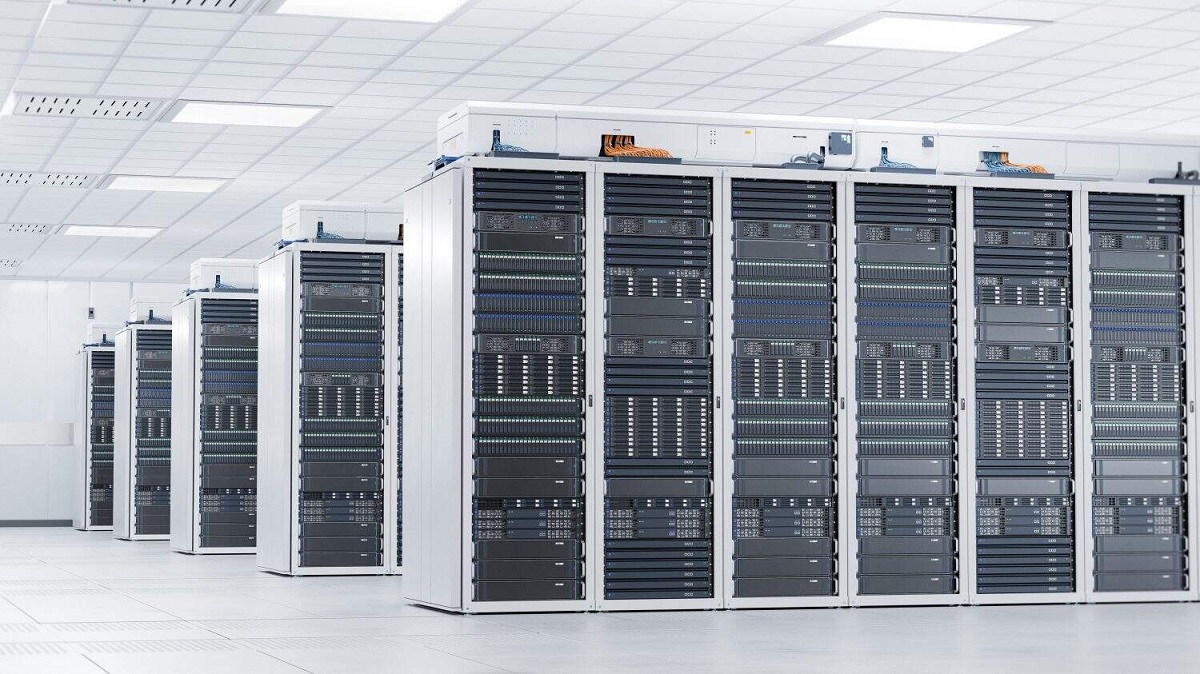
Super Micro Computer has positioned itself as a significant beneficiary of the broader AI infrastructure build-out, designing and assembling high-performance servers optimised for AI workloads with a particular emphasis on rapid time to market following new chip architecture launches. This positioning has translated into substantial revenue growth, though the company’s financial profile has also revealed meaningful margin pressure alongside that growth.
Evaluating Super Micro requires examining the underlying drivers of its revenue acceleration, the specific factors contributing to margin compression even amid strong demand, and the capacity and customer concentration considerations that shape the company’s broader risk profile within the competitive AI server market.
The Scale of Recent Revenue Growth
Super Micro has reported substantial year-over-year revenue growth, driven by strong demand for servers built around the latest generation of AI accelerator chips, with management citing continued momentum in data centre expansion among its customer base. This growth trajectory has prompted the company to raise its full-year revenue guidance on multiple occasions as demand has continued to exceed earlier expectations.
This growth has not been entirely linear, with at least one recent quarter falling short of initial guidance due to delayed customer orders and component supply constraints, illustrating how even amid a broader demand boom, individual quarters can be affected by the timing of large customer deployments and the availability of key components from chip suppliers.
Management has nonetheless continued raising its full-year revenue guidance as the year has progressed, suggesting that despite quarter-to-quarter variability, the underlying multi-quarter demand trajectory has remained robust enough to support increasingly ambitious annual targets.
Understanding the Margin Compression
Despite strong revenue growth, Super Micro’s gross margins have compressed considerably, falling into the mid-single-digit percentage range in certain recent quarters, down from levels in the low double digits in prior periods. Management has attributed this compression to a combination of intensifying competition, pricing pressure on large AI infrastructure deals, and a shifting mix towards lower-margin, large-scale customer contracts.
This margin dynamic illustrates an important distinction in evaluating the company: strong headline revenue growth does not automatically translate into proportionate profit growth, particularly in a competitive hardware assembly business where customers, often large and sophisticated technology companies, hold considerable negotiating leverage on pricing for high-volume orders.
An expanded credit facility secured by the company provides additional financial flexibility to support continued growth, though it also reflects the considerable working capital demands inherent in a business model built around rapidly assembling and shipping large volumes of expensive hardware components ahead of customer payment.
Customer Concentration Considerations
A notable feature of Super Micro’s current revenue base involves meaningful concentration among a small number of large customers, with one major data centre customer reportedly representing a substantial proportion of total sales in recent periods. This concentration introduces a distinct risk consideration, as any change in ordering patterns or competitive displacement at this customer could have an outsized effect on overall company revenue.
Diversifying the customer base across a broader range of hyperscale and enterprise customers represents an important consideration for assessing the durability of Super Micro’s growth trajectory, distinct from the company’s ability to capture overall AI infrastructure demand growth in aggregate.
A second wave of customer relationships, including newer hyperscale and sovereign AI infrastructure projects, has begun contributing to order visibility, offering a potential pathway towards a more diversified revenue base over coming quarters, though this diversification remains at a comparatively early stage relative to the company’s current customer concentration.
Capacity, Liquid Cooling, and Competitive Positioning
Super Micro has built a notable position within liquid-cooled AI server systems, a technology increasingly important as AI chip power density has risen substantially, with industry estimates suggesting liquid cooling adoption is expanding rapidly from a comparatively low current base. The company’s reported share within this specific segment represents a meaningful competitive differentiator relative to broader server market competitors.
Maintaining this position requires continued investment in manufacturing capacity and supply chain relationships, particularly as larger, more established competitors increasingly contest the AI server market with their own competing rack-scale offerings, intensifying the competitive pressure on pricing that has already affected Super Micro’s margins.
Weighing Growth Against Margin and Concentration Risk
Super Micro’s position within the AI infrastructure boom reflects substantial, genuine revenue growth tied to broader industry-wide AI infrastructure investment, set against meaningful margin compression and customer concentration considerations that introduce a more complex risk profile than the headline growth figures alone might suggest.
Those tracking this balance between growth and margin pressure can follow SMCI stock alongside quarterly results for ongoing visibility into gross margin trends and customer concentration disclosures.
Conclusion
Super Micro Computer’s trajectory illustrates both the considerable opportunity and the genuine complexity inherent in supplying hardware for the AI infrastructure boom, with substantial revenue growth accompanied by meaningful gross margin compression driven by competitive pricing pressure on large-scale deals.
Assessing the company’s longer-term prospects requires monitoring whether margin trends stabilise as the business scales, alongside whether customer concentration moderates over time, recognising that the company’s ability to capture broader AI infrastructure demand growth represents only one dimension of a more complete evaluation that must also account for these profitability and concentration considerations.