





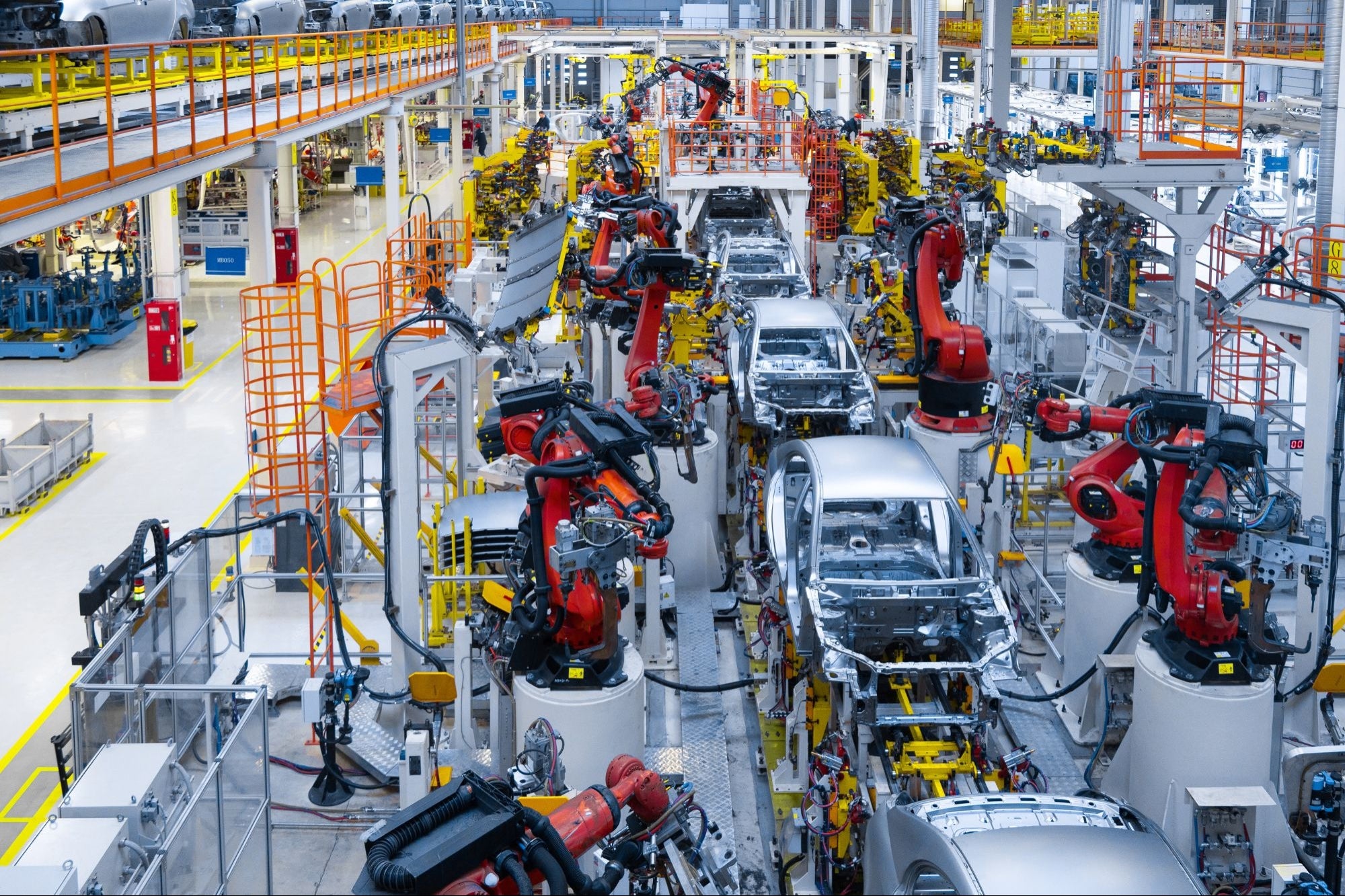
The automotive industry, a cornerstone of modern society, has evolved over the past century into one of the most influential sectors in the global economy. From the mass production of affordable cars to the rise of electric vehicles (EVs), and now the development of autonomous driving technology, the automotive sector has seen monumental changes. Today, it is not only about creating machines that move people from point A to point B but also about sustainability, efficiency, safety, and a vision of the future where mobility is smarter and more integrated than ever before. As we look at the state of the automotive industry today, it is impossible not to recognize both the tremendous strides it has made and the challenges it faces moving forward.
A Legacy of Innovation: From the Assembly Line to the Electric Revolution
The roots of the modern automotive industry can be traced back to the late 19th century. Karl Benz, a German inventor, is often credited with creating the first gasoline-powered automobile in 1885. His invention, the Benz Patent-Motorwagen, marked the beginning of a new era in transportation. However, it was Henry Ford’s mass production techniques in the early 20th century that revolutionized the way cars were made. Ford’s introduction of the assembly line in 1913 not only dramatically reduced the cost of manufacturing but also made automobiles accessible to the middle class, thus democratizing personal mobility.
For decades, the automotive industry followed a familiar pattern: the continuous refinement of internal combustion engines (ICE), increasing vehicle performance, and improving comfort and safety. The 1950s and 1960s, in particular, saw a boom in the design of sleek, powerful cars, with iconic models such as the Ford Mustang and the Chevrolet Corvette becoming symbols of freedom and American culture. As the world moved into the late 20th century, automotive manufacturers began to focus on fuel efficiency and safety, in response to growing environmental concerns and stringent government regulations.
By the early 2000s, however, the automotive industry was once again on the cusp of a major transformation, driven by the need to reduce carbon emissions and reliance on fossil fuels. This led to the rise of electric vehicles (EVs), with Tesla leading the charge in proving that electric cars could be both practical and desirable. The shift from internal combustion engines to electric powertrains was initially slow, as EVs faced challenges related to range anxiety, battery life, and charging infrastructure. However, technological advancements, government incentives, and growing consumer demand for sustainable transportation have made electric vehicles an increasingly viable option. In 2023, electric cars made up a significant portion of global car sales, with major automakers like General Motors, Volkswagen, and BMW making substantial investments in EV technology.
The Advent of Autonomous Vehicles: A New Frontier in Mobility
The next frontier in automotive innovation lies in autonomous driving technology. The vision of self-driving cars has captured the imagination of consumers, engineers, and technologists for decades, and we are now closer than ever to realizing that vision. Self-driving cars, powered by artificial intelligence (AI), sensors, and machine learning algorithms, promise to revolutionize the way we travel. In theory, they will reduce human error, increase road safety, decrease traffic congestion, and offer new levels of convenience and accessibility for people with disabilities or those unable to drive.
However, the journey toward full autonomy is not without challenges. Legal, ethical, and safety concerns are at the forefront of discussions about autonomous vehicles. For instance, how will autonomous vehicles interact with other human-driven cars on the road? What ethical decisions will self-driving systems need to make in emergency situations? Moreover, there are still significant hurdles related to the infrastructure needed to support autonomous vehicles, such as real-time traffic data systems, road sensor networks, and cybersecurity measures to protect vehicles from hacking.
Nonetheless, companies like Waymo, a subsidiary of Alphabet (Google’s parent company), and other tech giants, including Apple and Uber, have made significant progress in developing autonomous vehicles. Traditional automakers such as Ford, General Motors, and Toyota have also invested heavily in self-driving technologies, signaling a broader industry commitment to embracing this transformative shift.
Environmental Considerations: The Push for Sustainability
As the world grapples with the pressing need to address climate change, the automotive industry is at the center of discussions about sustainability. The internal combustion engine, long the hallmark of personal transportation, is increasingly seen as a key contributor to air pollution and carbon emissions. The shift toward electric vehicles, which produce zero tailpipe emissions, is a significant step in reducing the environmental footprint of the automotive sector.
Governments around the world are playing an essential role in driving this shift by introducing policies that promote clean energy and renewable resources. In countries like Norway, where EVs account for over 50% of all car sales, generous tax incentives, subsidies, and the expansion of charging infrastructure have made electric cars a mainstream option. In the European Union, stringent emission standards are forcing automakers to accelerate their transition to electric vehicles and to adopt cleaner manufacturing processes.
However, while EVs offer a promising solution to reducing emissions, they are not without their own environmental concerns. The production of batteries, which are crucial for electric vehicles, requires the mining of raw materials such as lithium, cobalt, and nickel — materials whose extraction can have significant environmental and ethical implications. Additionally, the recycling of batteries and the management of their end-of-life stage remain challenges that need to be addressed to make EVs truly sustainable.
Automakers are responding to these challenges by exploring alternative technologies, such as hydrogen fuel cells, which produce zero emissions and can be refueled quickly, much like traditional gasoline-powered vehicles. Hydrogen-powered vehicles, although still in the early stages of development, offer a potential solution for long-haul transportation, such as trucks and buses, where EVs may not be as practical due to range limitations.
The Changing Landscape of Mobility: From Ownership to Access
Another profound change in the automotive industry is the evolving relationship between consumers and cars. Historically, owning a vehicle has been a significant aspect of personal identity, particularly in countries like the United States. However, in recent years, there has been a noticeable shift toward mobility-as-a-service (MaaS), with younger generations, particularly millennials and Gen Z, prioritizing access over ownership.
Car-sharing services such as Zipcar, ride-hailing services like Uber and Lyft, and subscription-based models offered by automakers like Volvo and Porsche are changing the way people view transportation. These services allow consumers to use cars when they need them without the financial burden of ownership, maintenance, and insurance. In urban environments, where car ownership can be expensive and impractical, this shift is particularly pronounced.
Moreover, the rise of shared mobility is being accelerated by the development of autonomous vehicles. As self-driving technology matures, it is likely that private car ownership will continue to decline, especially in densely populated areas where shared, autonomous vehicles can serve as a more efficient and cost-effective alternative.
The Road Ahead: Challenges and Opportunities
As the automotive industry moves forward, it faces a range of opportunities and challenges. The integration of artificial intelligence, the proliferation of electric and autonomous vehicles, and the growing demand for sustainable transportation solutions represent some of the most exciting frontiers for the industry. However, with these innovations come complex challenges in areas such as cybersecurity, regulatory frameworks, and the global supply chain for critical materials.
The automotive sector’s ability to navigate these challenges while continuing to innovate will determine its trajectory in the coming decades. One thing, however, is certain: the automotive industry is on the cusp of a new era, one that promises to redefine how we think about mobility, transportation, and the environment. Whether it’s through the development of smarter cars, more sustainable solutions, or entirely new modes of transportation, the road ahead will be as thrilling and transformative as the journey that has brought us here.