 0
0
 0
0
Finding the right warehouse is a critical decision for businesses of all sizes. Whether you are a startup managing your first inventory or an established company planning expansion, choosing the right warehouse for rent can directly impact efficiency, costs, and long-term growth. For today’s fast-moving business environment, especially in the UAE, warehouse rental decisions are influenced by multiple practical and strategic factors.
Understanding these factors helps businesses make informed choices and avoid costly mistakes.
Business Needs and Storage Requirements
Every warehouse decision should begin with a clear understanding of business needs. Storage type, inventory volume, and operational activities play a major role. Some businesses require space for bulk storage, while others need areas for packaging, sorting, or light assembly.
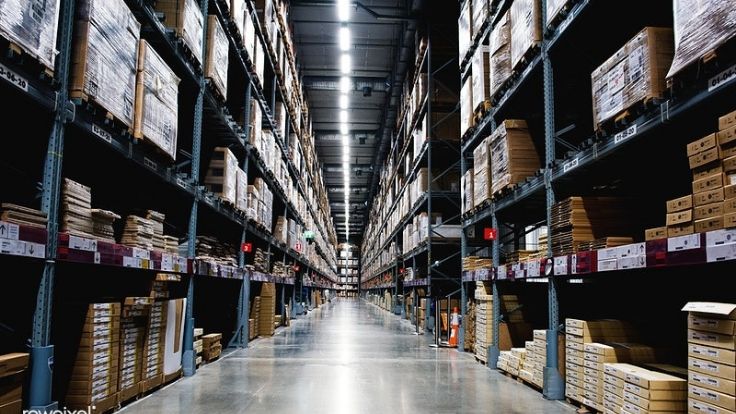
Cold storage, high-ceiling facilities, loading bays, and flexible floor layouts are important considerations depending on the nature of goods. Selecting a warehouse for rent that matches operational requirements ensures smooth daily activities and reduces the need for costly modifications later.
Location and Accessibility
Location remains one of the strongest influences on warehouse rental decisions. Businesses prefer warehouses that are easily accessible for suppliers, employees, and logistics partners. Proximity to highways, ports, and industrial zones helps reduce transportation time and fuel costs.
For e-commerce and distribution-driven businesses, quick access to delivery routes is especially valuable. A well-located warehouse supports faster order fulfillment and improves overall customer satisfaction.
Rental Cost and Budget Planning
Budget is a major factor for businesses across all stages. Rental pricing varies based on size, location, infrastructure, and additional services. Companies often look beyond just the monthly rent and evaluate long-term affordability.
Expenses such as utilities, maintenance, security, and operational charges should be factored into the total cost. Choosing a warehouse for rent that aligns with financial planning helps businesses maintain stable cash flow while supporting growth goals.
Infrastructure and Facility Quality
Modern infrastructure plays a vital role in warehouse efficiency. Businesses look for facilities with strong flooring, proper ventilation, reliable power supply, and safety features such as fire protection systems.
Well-maintained warehouses reduce operational disruptions and improve employee productivity. Features like wide driveways, multiple entry points, and ample parking also contribute to smoother logistics operations.
Flexibility and Scalability
Business needs change over time, and flexibility is increasingly important. Companies prefer warehouses that allow easy scaling, whether expanding storage space or downsizing operations.
Short-term lease options, upgrade possibilities, and customizable layouts offer businesses the freedom to adapt without major disruptions. A flexible warehouse for rent supports growth without locking companies into rigid long-term commitments.
Compliance and Safety Standards
Warehouses must meet regulatory and safety standards to ensure smooth operations. Businesses prioritize facilities that follow proper building codes, safety regulations, and environmental guidelines.
Compliance reduces legal risks and creates a safer working environment for employees. Well-regulated warehouses also help businesses maintain trust with partners and clients.
Security and Risk Management
Security is a key concern, especially for businesses storing valuable or sensitive goods. Warehouses with controlled access, surveillance systems, and on-site security provide peace of mind.
Strong security measures reduce risks related to theft, damage, and inventory loss. A secure warehouse for rent helps businesses focus on growth rather than constant risk management.
Support Services and Operational Convenience
Additional support services can significantly influence rental decisions. Facilities offering maintenance support, waste management, loading assistance, and parking availability add convenience to daily operations.
Businesses value warehouses that minimize operational hassles and allow teams to focus on core activities rather than infrastructure management.
Conclusion
Choosing the right warehouse is more than just finding empty space. It is a strategic decision that affects logistics efficiency, cost management, and business growth. From location and infrastructure to flexibility and security, multiple factors shape the final choice.
A well-planned warehouse for rent supports smooth operations, enhances productivity, and provides room for future expansion. By carefully evaluating these key factors, businesses can select a warehouse that not only meets current needs but also supports long-term success in a competitive market.